Transform Your Body with Whole Foods
Discover the science-backed approach to body balance and nutrition. Explore real ingredients, real results, and real wellness from the Wellnessroutineflow community.
Why Whole Foods Matter
Whole foods are the foundation of sustainable body balance. Unlike processed alternatives, they provide complete nutritional profiles—vitamins, minerals, fibre, and phytonutrients your body recognises and uses efficiently. When you nourish yourself with unrefined, natural ingredients, you're not just feeding your body; you're sending signals that support healthy metabolism, stable energy, and sustainable wellness.
The Wellnessroutineflow community has discovered that consistency with whole foods creates lasting change. Whether it's incorporating more vegetables, choosing whole grains, or understanding how to balance macronutrients naturally, each choice builds momentum toward your personal wellness goals.
This isn't about restriction or quick fixes. It's about understanding how to work *with* your body through real, honest nutrition.

Key Principles of Body Balance
Our editorial approach focuses on three core pillars that community members rely on for sustainable wellness.
Nutrient Density
Choose foods rich in vitamins, minerals, and antioxidants. Whole vegetables, fruits, legumes, and nuts deliver maximum nutrition per calorie, supporting your body's natural healing and balance systems.
Macronutrient Balance
Combine whole grains, proteins, and healthy fats in proportions that match your activity level and body's needs. This balance stabilises energy, supports muscle health, and reduces cravings.
Sustainable Habits
Progress comes from consistency, not perfection. Building a whole-food routine you actually enjoy—with recipes you love and flexibility built in—creates lasting change without burnout.
Nutrient-Rich Ingredients at a Glance
Explore the powerhouse foods that form the backbone of body balance nutrition.
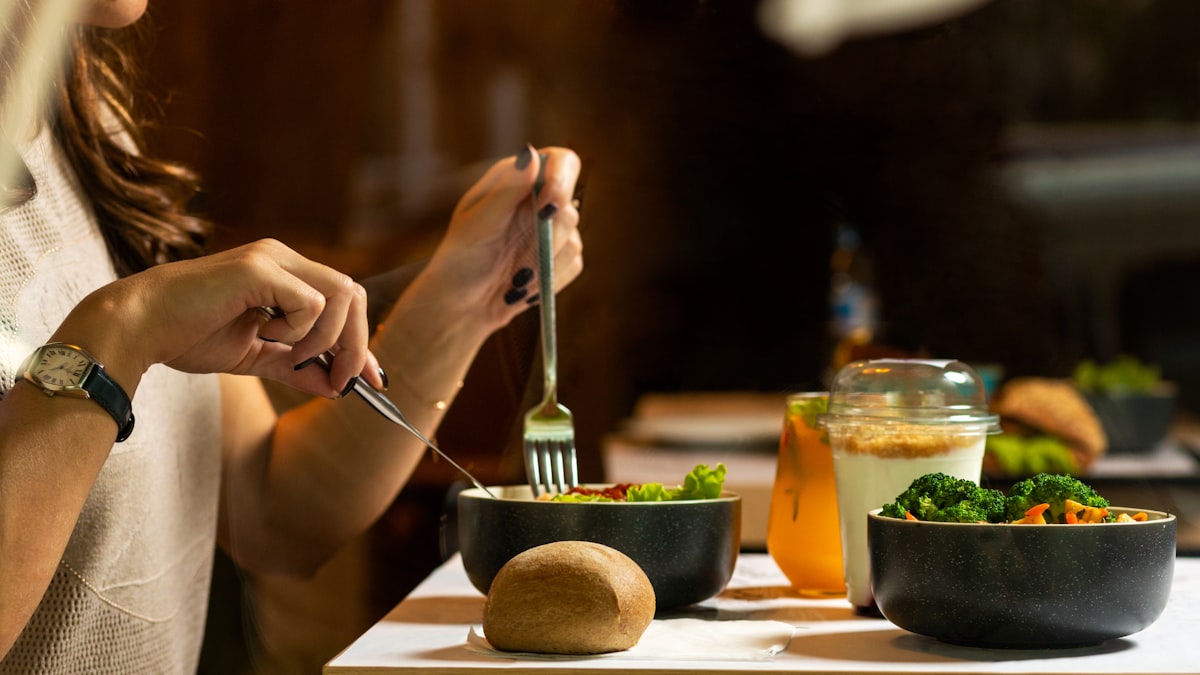
Leafy Greens
Spinach, kale, and arugula are nutrient powerhouses packed with iron, calcium, and antioxidants. Easy to add to smoothies, salads, or cooked dishes.
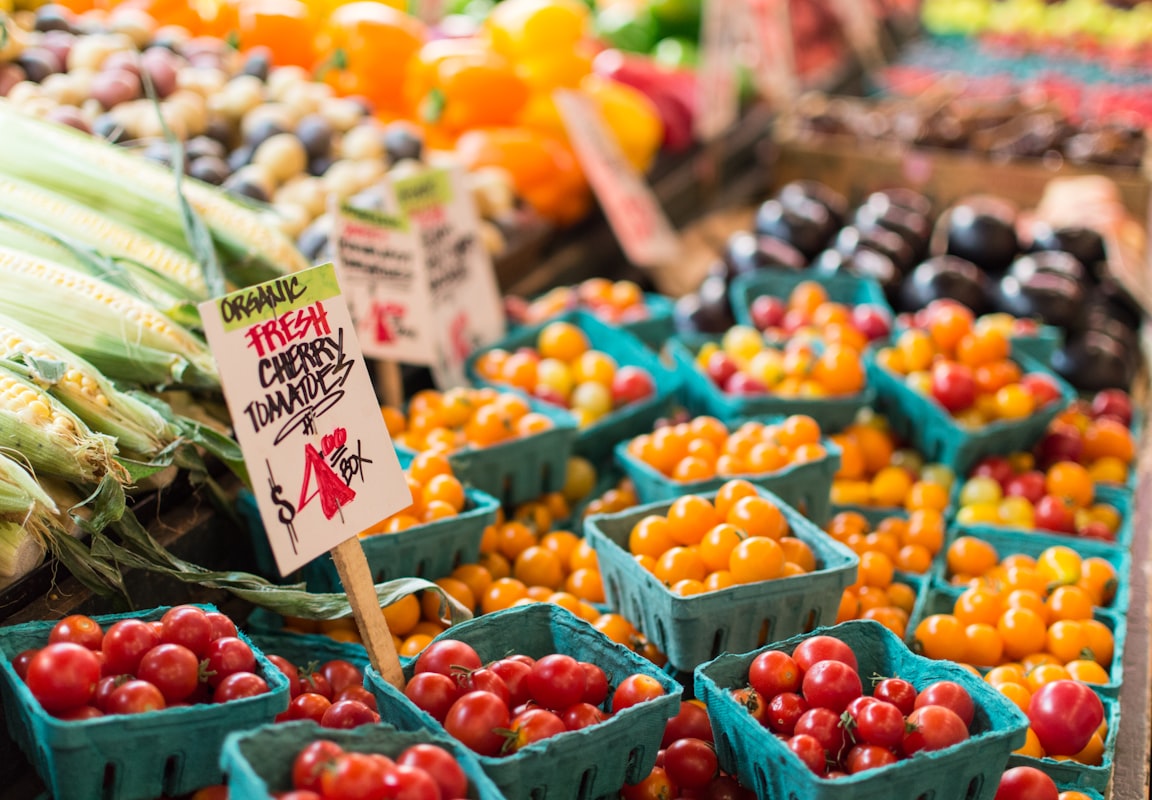
Colourful Vegetables
Bell peppers, broccoli, carrots, and beetroot provide diverse phytonutrients and fibre. Each colour signals different beneficial compounds.
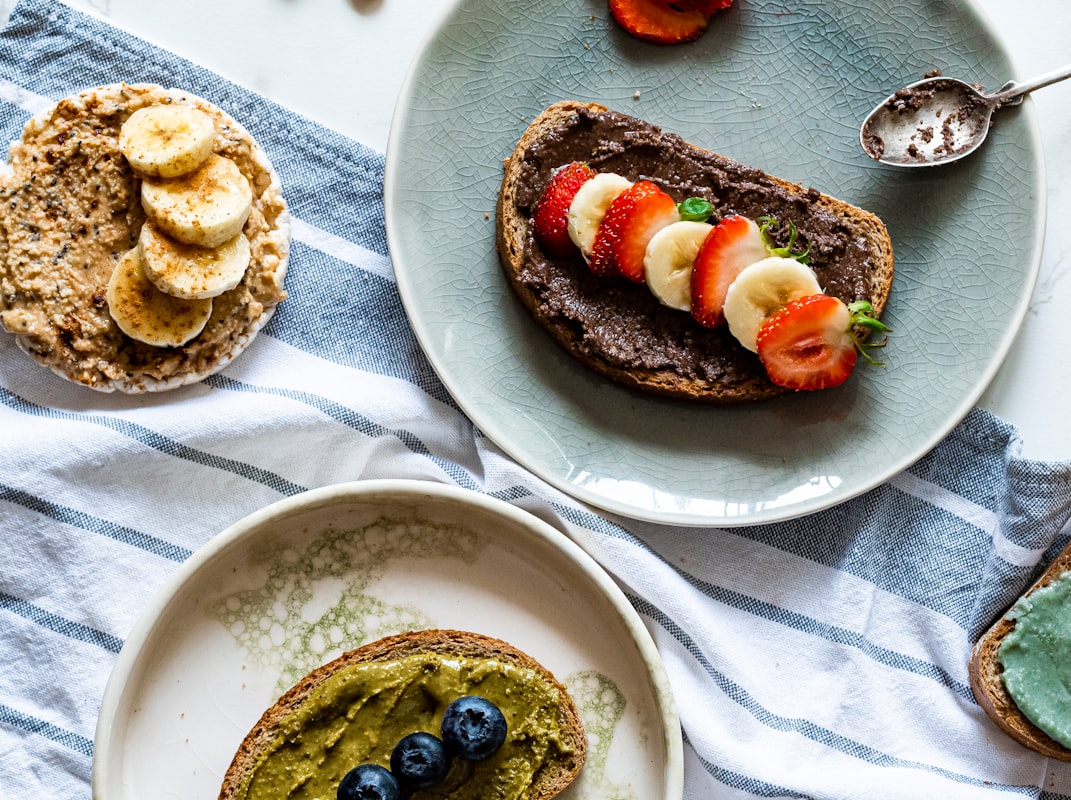
Whole Grains
Oats, quinoa, brown rice, and spelt deliver sustained energy, fibre, and B vitamins. Essential for stable blood sugar and digestive health.
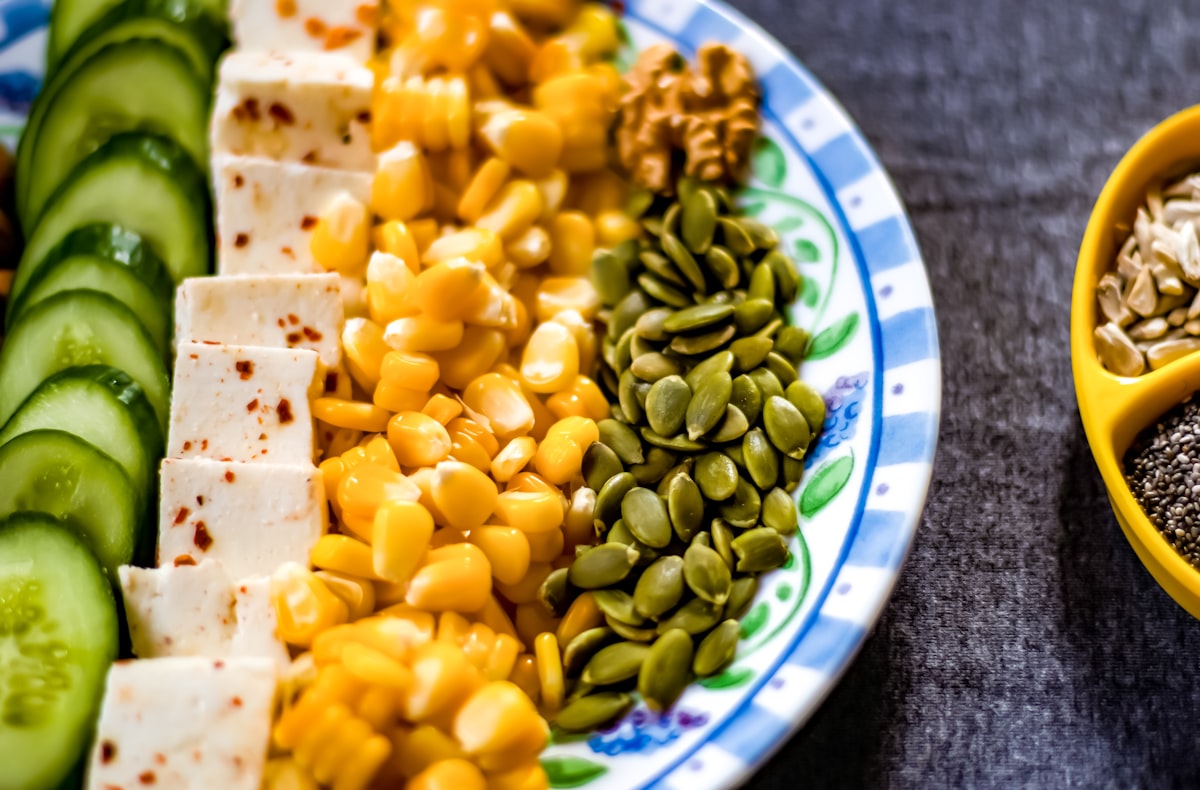
Legumes and Pulses
Lentils, chickpeas, and beans are plant-based protein and fibre goldmines. Affordable, versatile, and deeply satiating.
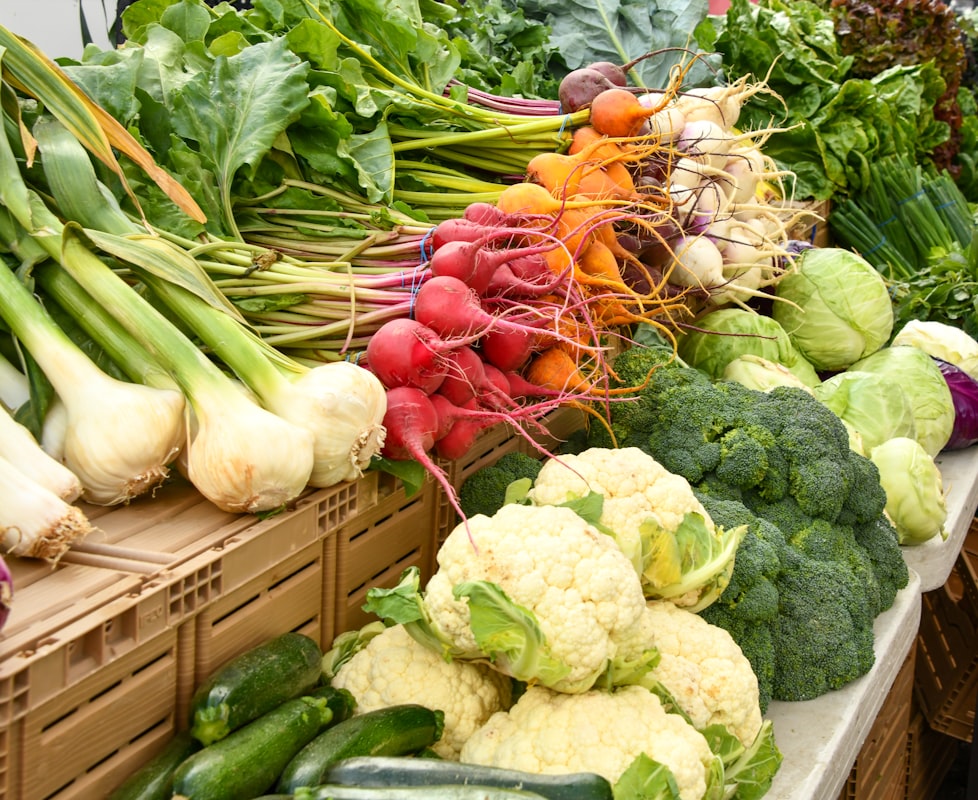
Healthy Fats
Avocados, olive oil, nuts, and seeds provide omega fatty acids and fat-soluble vitamins. Crucial for hormone balance and satiety.
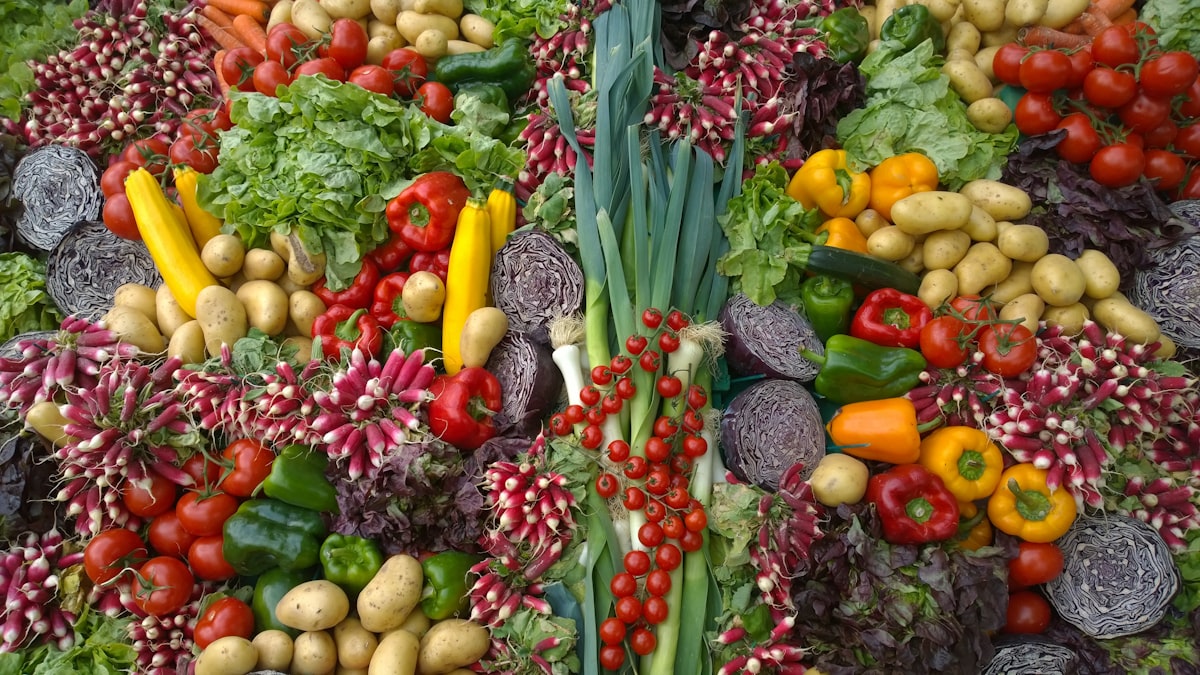
Quality Proteins
Eggs, fish, poultry, yoghurt, and cottage cheese support muscle maintenance and recovery. Choose minimally processed sources when possible.
Your 3-Step Balance Journey
Explore how the Wellnessroutineflow community approaches whole-food nutrition in manageable phases.
Awareness & Assessment
Start by observing your current eating patterns. Which whole foods do you already enjoy? What processed items are you relying on most? This honest assessment builds the foundation for sustainable change without overwhelming yourself.
Spend 1-2 weeks simply noticing, journalling, and exploring our recipe collection to find whole-food options you genuinely like.
Gradual Integration
Replace one processed item at a time with a whole-food equivalent. Swap white bread for whole grain, refined snacks for nuts and fruit, sugary drinks for herbal tea. Small, consistent swaps create momentum without shock to your system.
This phase typically lasts 3-4 weeks as you discover new recipes and build confidence in your kitchen skills.
Sustainable Routine
By week 5-6, whole foods become your default. You've found recipes you love, you're comfortable with meal prep, and your body is responding positively. This is where real, lasting change solidifies—not through willpower, but through preference.
Continue refining your routine, exploring new ingredients, and sharing your experience with our community.
Real Stories from Our Community
"I've tried so many diet plans, but nothing stuck until I found Wellnessroutineflow. The focus on whole foods rather than restriction completely changed my perspective. I'm not fighting cravings anymore—I genuinely prefer the way real food makes me feel. After three months, my energy levels are stable, my digestion is better, and I've found recipes I actually look forward to cooking."
Margaret Chen
Bristol
"What I love most is that this isn't about perfection. The step-by-step approach let me make changes at my own pace, without pressure. The recipe collection is fantastic—easy to understand, ingredients I can actually find locally, and they genuinely taste good. My whole family has benefitted, not just me. This feels like a lifestyle, not a diet."
David Morrison
Manchester
"I was sceptical at first—I've always been a processed-food person. But the educational content on Wellnessroutineflow explained *why* whole foods matter in a way that actually made sense to me. I wasn't just told what to eat; I understood the science. Now I'm the one recommending recipes to my friends and explaining why this approach works long-term."
Sarah Williams
Edinburgh
"The gradual approach is brilliant. Instead of going all-in and burning out after two weeks, I made small swaps and genuinely enjoyed the process. By week six, I wasn't following a plan anymore—whole foods just became what I wanted to eat. The community aspect made it feel less isolating too. Really impressed with how practical and realistic this is."
James Patterson
London
Frequently Asked Questions
Get answers to common questions about whole foods and body balance.
Whole foods are foods in their natural state or minimally processed. They don't contain added sugars, artificial additives, or refined oils. Examples include fresh vegetables, fruits, legumes, whole grains, nuts, seeds, eggs, and unprocessed meat or fish. The key is they came from nature with little human alteration.
Start Exploring Whole Foods Today
Browse our recipe collection, read detailed nutrition guides, and join the Wellnessroutineflow community learning about body balance through real, honest food.
Join Our Editorial Community
Subscribe to receive updates about new articles, recipes, and wellness insights delivered to your inbox.
We respect your privacy. Unsubscribe at any time.
What Our Community Says
Join thousands of people transforming their wellness journey
"Wellnessroutineflow completely transformed how I approach my daily wellness. The structured routines fit perfectly into my busy schedule, and I've never felt better."
Jessica Martinez
Wellness Coach
"I love how intuitive the platform is. The personalized recommendations helped me develop habits that actually stick. My energy levels have skyrocketed!"
David Kim
Fitness Enthusiast
"Finally, a wellness platform that understands my lifestyle. The routines are science-backed and the community support keeps me motivated every single day."
Sarah Phillips
Holistic Health Practitioner
Frequently Asked Questions
Get answers to common questions about Wellnessroutineflow
How do I customize routines for my lifestyle?
Our intelligent customization system analyzes your preferences, schedule, and wellness goals to suggest personalized routines. You can easily adjust duration, intensity, and type of activities to match your lifestyle perfectly.
Is Wellnessroutineflow suitable for beginners?
Absolutely! We offer beginner-friendly routines with step-by-step guidance. Our platform adapts to your experience level and gradually increases complexity as you progress, making wellness accessible to everyone.
Can I track my progress?
Yes! Our comprehensive tracking system monitors your habits, mood, energy levels, and achievements. Visual dashboards and detailed reports help you see your progress and stay motivated on your wellness journey.
Is my data private and secure?
Your privacy is paramount. We use enterprise-grade encryption and comply with all major data protection regulations. Your wellness data is never shared with third parties without your explicit consent.
What devices are supported?
Wellnessroutineflow works seamlessly across all devices—smartphones, tablets, and desktops. Your progress syncs instantly, so you can access your routines whenever and wherever you are.